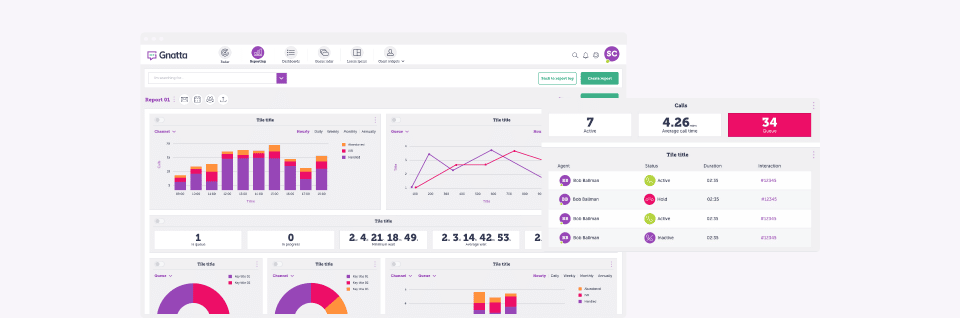
Workforce forecasting and management
Workforce forecasting can answer questions about capacity and how projects might impact your teams, but what is it?
This type of forecasting refers to the use of historical and predictive data to help identify trends, much like the other types of forecasting.
You can use data to ensure your workforce can handle the workload you’re giving them while also ensuring they aren’t spread too thin.
Customer care management is a huge aspect of workforce forecasting, and if your goal is to improve service and satisfaction, then this could be the right starting point for your business.
For example, your management team might identify that customer retention rates are low and require improvement. Workforce forecasting could then use quantitative and qualitative data collection methods to investigate why customers aren’t returning. From this analysis, you can spot trends and figure out a plan for increasing the retention rate.
You might discover that this is due to customer service agents fielding too many queries and not being able to provide each customer with the care, attention, and empathy that they need. You can then make changes based on this – such as hiring more agents or bringing in automation – and predict that these should improve your retention rates.
Don’t forget to track your progress and see how forecasting has helped you reach your goals.