B2C vs. B2B Customer Service: How Do They Differ?

B2C and B2B customer support often require different approaches. Here’s why they should differ and the best practices for each.

Customer support should be the backbone of every business, but this is especially true within the e-commerce industry. The team left in charge of customer care can make or break your customer relationships, affect your business’s reputation, and even impact profits. So, it’s incredibly important to make sure that your customer service approach is gratifying for the type of customers you deal with most often.

Whether your business sells primarily to other businesses or directly to customers, your target audience should feel that their needs are being met or even exceeded with each exchange. But depending on who your clients are, there can be seemingly small but nevertheless important nuances in the way you handle the support.

Here, we’ll be introducing the terms ‘B2B’ and ‘B2C’ and exploring what these mean in relation to customer service. We’ll then be following up by answering the most common questions about where B2B and B2C customer service differ, and addressing how these differences should be a big influence on your CS strategy.
What is B2C Customer Service?

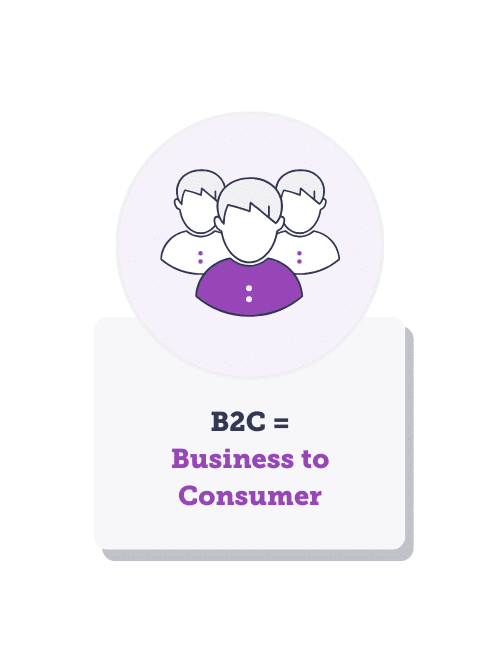
In contrast, a business that primarily serves customers as the end user is typically referred to as B2C, which stands for business to consumer.

A successful B2C customer service team will offer quick and easy information that often relates to single purchases from individuals. Customers will request information about their orders or accounts, alongside bringing their concerns or issues to customer service teams.

B2C Customer Service Examples

The following is an example of a B2C customer service scenario:

A site offering food delivery services to customers will focus on providing adequate support relating to delivery times, products and personal information such as names and addresses. The typical questions they’ll receive are much quicker to respond to, which means that customers expect fast service when it comes to customer service.

What is B2B Customer Service?

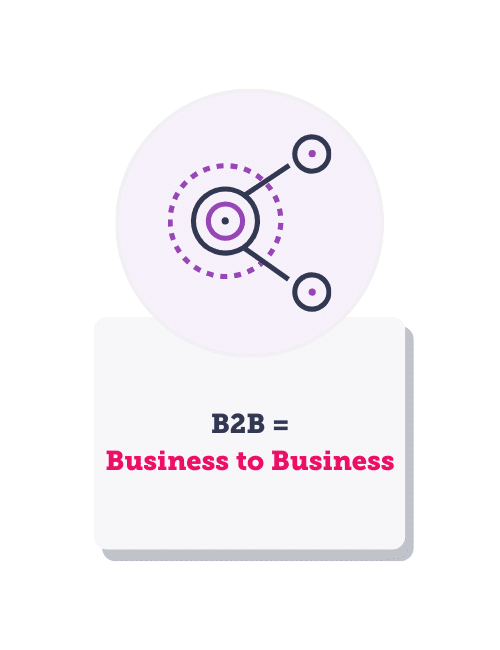
In B2B customer service, a business will communicate and facilitate sales of products or services to other businesses. The term B2B simply means that one business is dealing with other businesses that are interested in the products or services they have to offer.

Your customer service representatives deal with the suppliers and distributors, answering queries, troubleshooting issues, and providing relevant information to the right people as and when it’s needed. This support is most often provided by your call or contact centre but can also be helped along with any automated services your business provides, such as chatbots or live messaging.

The main goal of B2B customer service is to build trust in your company and the products or services you offer so that clients are increasingly likely to stick around long term. Because the relationship relies heavily on high-value transactions, customer service in B2B can sometimes be trickier to handle and involves multiple people from both businesses. Larger deal sizes and longer buying cycles are regularly involved, which means the focus of your support should shift to building long-term client relationships focused on driving growth.

B2B Customer Service Examples

The following is an example of how customer service might look for a B2B business:

A clothing manufacturer selling clothes to an e-commerce business in the fashion industry is a B2B customer relationship. Although the clothing is intended to be sold to the end users, which in this case would be the people interested in buying this type of fashion, this doesn’t play into the initial sale between the two businesses. The sales interaction is more likely to involve conversations around the quantity of clothing they intend to buy, the budget and time frames for buyer cycles.

B2C vs B2B Customer Service: What is the Difference?

Customer service doesn’t have a one-size-fits-all solution. Depending on whether you’re targeting businesses or customers, you’ll need to change your approach accordingly.

Why is the customer service different? There are a few key differences:

B2C requires simplicity and speed

Customers expect instant gratification, and businesses dealing with customer-based interactions need to prioritise this need. With rare exceptions, individual customer communications can usually be handled by just one representative or automated services since they’re typically low-level and simple. Meanwhile, B2C customer service is more likely to require multiple people from both sides to work together to find solutions and answers.

B2B can be higher stakes

B2B transactions involve bigger revenue potential and involve larger sales quantities than with B2C where one customer might purchase a handful of items now and then. Selling to businesses can involve recurring purchase orders, stricter deadlines and – most importantly – more money. And of course, the more money is involved, the more important it is that your business hits the nail on the head with its customer support. If your customer service fails to meet their needs, you could end up losing a highly valuable customer.

Of course, this isn’t to say that B2C interactions aren’t just as high of a priority. It simply means that more care and consideration might be required to provide the right kind of service at the right time when dealing with another business. More complex enquiries might take longer to come up with a solution, while businesses working to strict deadlines will need a representative ready to work with them.

B2B relationships are longer-lasting

In B2B relationships, businesses will sign contracts and enter into agreements for recurring orders or partnerships over a specified time. Meanwhile, unless you offer subscription services, it’s unlikely that a B2C business will communicate with a customer in the long term. Therefore, the relationship can be more time-consuming and there can be increased pressure to support them however you can.

Customer Service Best Practices for B2B

So how should you be handling your B2B communications? B2B is often thought of as being the more complicated of the two, which means you’re your customer service strategy typically requires more thought and consideration. However, with a full understanding of what B2B customer support is compared to B2C, you should be able to find a way to give the businesses you deal with the best CX.

One of the main recommendations for handling B2B communications effectively is to ensure each business that enters into a sales agreement is provided with a dedicated representative from your support team. This individual should be responsible for offering a high standard of service tailored to the terms and conditions of the established relationship.

It’s also often expected that communications might take longer when you’re dealing with a B2B relationship. This is because they often have more complex needs and will come to your team with more complicated issues that need to be resolved. These kinds of requests take longer to come up with a solution – especially when there are more stakeholders and larger sums of money involved.

Customer Service Best Practices for B2C

For customer service where the customer is on the other end of the communications, it’s best to favour self-service wherever possible. This type of approach is increasingly preferred because of its ease, simplicity and effectiveness for both businesses and customers.

Self-service options like knowledge bases, FAQs and chatbots can offer your customers the opportunity to autonomously find the answers and support they’re looking for. Alongside this, though, there are a few additional best practices for B2C customer care.

The speed of your service also appears to matter more for individual customer-based interactions. Therefore, your support staff should take a short but sweet approach to the communication style they use. This is where automation can be handy because it offers your customers the ability to ask questions and find answers without needing to stretch your customer service team. B2C businesses should try to include these features to help keep customers happy.

Finally, it’s crucial to acknowledge the importance of SEO when creating a knowledge base or FAQs section if you want your content to rank highly in search results and be easy to find. These customer service features are great if they’re simple and easy to discover, but if you fail to include keywords and conduct research into the terms, phrases and questions that your customers are searching for, it can fall short and leave customers without the information they need.

Whether your business deals with B2B or B2C customer support or a mixture of the two, we hope this guide has shed some light on how to approach your interactions differently. Keeping customers at the forefront of your customer support strategy decisions is crucial for a successful business, and establishing the different styles of communication based on who is being targeted is one of the first hurdles to overcome.

Get in touch to try our demo today and see how you can transform both B2C and B2B communications with Gnatta.

Not ready for a demo?

We get it - you're just exploring your options. Sign up to our monthly newsletter updates in the meantime, and we'll keep you in the loop with new features, use cases and research in one compact email. No-strings, no obligations.